
Decolonizing Food Systems Through Bioregional Eating
A Bioregional Diet for Liberation and Reconnection

Here is something I have been learning. Colonial powers did not only conquer with guns and borders. They also conquered with food. They ripped up native crops and replaced them with export monocultures. They forced displaced people to eat strange grains from distant lands. They broke the ancient link between people and their place, one meal at a time. Food system change was a tool of colonization. And if that is true, if changing what people eat can change everything, then food system change can also be a tool of liberation.
So I have been wondering: what is the opposite of that? What does liberation taste like? I think it begins with something we urgently need to remember: our bioregional diet. It is not a new invention. It is the oldest human practice there is. For nearly all of our existence, people ate what grew where they lived. They knew where and when to find it, how to grow it, how to cook it and store it using local available resources and ancestral skills developed through generations. This was not a lifestyle choice. It was simply how humans survived. And it worked for millennia.
In contrast, look at the globalized diet. Most food is imported or grown in chemical monocultures, packaged in plastic, shipped long distances, and grown in artificial conditions. It runs on fossil fuels at every step. Where the bioregional diet tastes of place and season, the globalized diet promises convenience, at a cost the planet cannot afford. And this system is deeply unreliable. Supply chains crack with every crisis. Supermarkets can go empty tomorrow.
What is a bioregion? It is not a political line on a map. It is a living body, defined by water, climate, culture, and native species. This is how I learned mine. A bioregional diet asks three honest questions: What is abundant here? What grows without fossil fuels? What has co-evolved with this land?
The global food system today is colonial extraction on a plate. It flattens ecologies, erases place-based knowledge, and drains wealth upward while destroying soil, water, and bodies. System change must start with food systems change. Colonial powers used food to colonize. We can use food to regenerate. Shift allegiance from the supermarket to watershed. Eat place-based polycultures. Your body becomes a healer, not a destroyer.
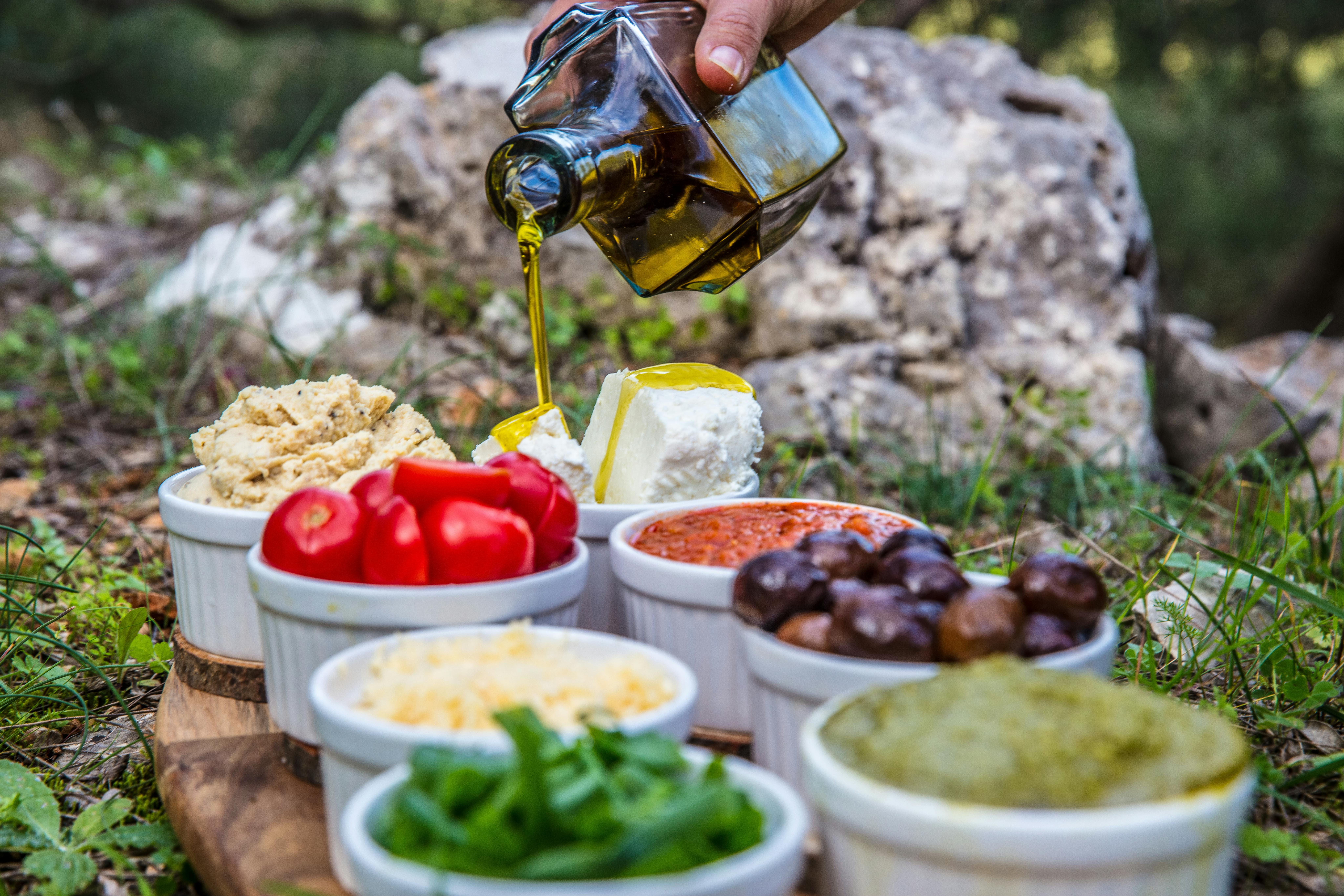
This practice goes beyond just eating local. It reconnects us to the story of how humans once lived in harmony with this specific place, how they honored it, cared for it, and received its gifts with gratitude. It invites us into reciprocity: we take care of the land, and the land takes care of us. By accepting our bioregion’s edible gifts and valuing them, we start noticing the many other gifts that are keeping us alive. We notice how our bioregion is a living system and we are part of it. Our health and life depend on its health. Just like the bacteria in your gut depend on your body’s health.
Eating the bioregion means becoming the bioregion. When we eat from local, living soil, we swallow its microscopic creatures, bacteria that have been part of this land for thousands of years. They take up residence in our bodies, and we become, quite literally, one with the land. But the cycle is not complete until we give back. Our urine and feces, which the globalized world calls 'sewage' are actually the land's inheritance from us. Returned respectfully to the soil, composted, transformed, offered, they become fertility again. The circle closes.
This reconnection is extremely relevant and urgent in the context of the imminent economic and ecological collapse. We step back into community with our bioregion, as our ancestors did. That is our best way to survive and thrive beyond the collapse.
This is not a solitary path. The Dandelion Strategy calls for a thousand Bioregional Learning Centers by 2035. The vision is a planetary network of bioregional hubs where we relearn, put into practice, and celebrate bioregional design and ways of living. You are welcome to join us.
This feels such an empowering post to me, thank you 🙏🏼 How are you doing so far with reconnecting with the food of your region and do you have any future plans to deepen that connection even further?